Unlocking Creativity with Economist Wordcloud Sticker: A Versatile Tool for Design and Expression
The Economist Wordcloud Sticker has become a powerful tool in the world of creative design. This unique visual element, which transforms text into a visually engaging cloud of words, offers an innovative way to communicate ideas, promote brands, and enhance visual storytelling. Its adaptability makes it suitable for a wide range of applications, from digital marketing to print media, and its aesthetic appeal ensures it stands out in any design context.
Understanding the Economist Wordcloud Sticker
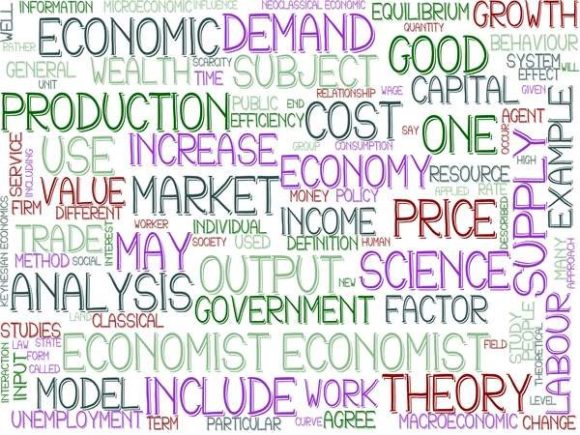
The Economist Wordcloud Sticker is more than just a decorative element; it's a dynamic representation of textual data. By analyzing the frequency of words in a given text, this tool generates a visual layout where larger words indicate higher frequency. The result is a striking and informative graphic that can be customized to fit various design needs.
This sticker format allows designers to incorporate word clouds into their projects with ease. Whether used as a background element, a focal point, or a subtle accent, the Economist Wordcloud Sticker adds depth and interest to any visual composition. Its versatility lies in its ability to blend seamlessly with different color schemes and design styles, making it a valuable asset for both professionals and hobbyists.
Applications Across Industries
One of the most compelling aspects of the Economist Wordcloud Sticker is its broad applicability across industries. In marketing, it serves as an effective tool for promoting products or services by highlighting key features and benefits. For example, a fitness brand might use a word cloud featuring words like "energy," "motivation," and "success" to convey the essence of their offerings.
In education, the Economist Wordcloud Sticker can be used to summarize lesson topics or highlight important concepts. Teachers can create interactive learning materials that engage students through visual storytelling. Similarly, in research, word clouds can help visualize data trends and identify common themes within large datasets.
For event planners, the Economist Wordcloud Sticker can be an eye-catching addition to invitations and promotional materials. A music festival might use a word cloud featuring words like "music," "vibes," and "festivities" to capture the spirit of the event. These stickers can also be used in social media campaigns to increase engagement and reach a wider audience.
Design Considerations and Best Practices
While the Economist Wordcloud Sticker offers numerous benefits, it's essential to consider design principles to ensure optimal results. First, choose a font that aligns with the overall aesthetic of your project. Sans-serif fonts are often preferred for their clarity and modern look, while serif fonts can add a touch of elegance.
Color selection is another critical factor. The colors used in the word cloud should complement the surrounding design elements. Using contrasting colors can help the word cloud stand out, while muted tones can create a more subdued and sophisticated look. It's also important to maintain readability by ensuring that the text is legible against the chosen background.
Additionally, the placement of the word cloud within the design should be strategic. Positioning it in a way that draws attention without overwhelming the viewer is key. Experiment with different layouts to find the one that best suits your message and design goals.
Enhancing User Experience with Word Clouds
The Economist Wordcloud Sticker not only enhances the visual appeal of a design but also improves user experience. By presenting information in a visually engaging format, it helps users process content more quickly and effectively. This is particularly useful in digital environments where attention spans are short.
In web design, incorporating word clouds can make navigation more intuitive. For instance, a website about travel could use a word cloud to highlight popular destinations or key travel tips. This approach not only attracts visitors but also keeps them engaged by providing a quick overview of the site's content.
Similarly, in email design, word clouds can serve as a call-to-action element. By highlighting key messages or promotions, they encourage recipients to take action. This is especially effective in newsletters and promotional emails where the goal is to drive engagement and conversions.
Case Studies and Real-World Examples
To illustrate the practical application of the Economist Wordcloud Sticker, let's explore a few real-world examples. One notable case is a local bookstore that used a word cloud on its promotional flyers to highlight the most popular genres among its customers. The word cloud featured words like "fiction," "non-fiction," and "children's books," effectively communicating the store's strengths and attracting a diverse customer base.
Another example comes from a tech startup that incorporated a word cloud into its branding materials. The word cloud emphasized keywords such as "innovation," "technology," and "future," reinforcing the company's mission and values. This approach helped establish a strong brand identity and resonated with potential clients and partners.
In the realm of social media, influencers have also leveraged the Economist Wordcloud Sticker to enhance their content. By creating word clouds that reflect their brand's core values or recent posts, they create a cohesive visual narrative that engages followers and strengthens brand loyalty.
Conclusion
The Economist Wordcloud Sticker is a versatile and impactful tool that offers endless possibilities for creative expression. Its ability to transform text into a visually engaging format makes it an invaluable asset across various industries and design applications. By understanding its characteristics, advantages, and best practices, designers can harness its power to create compelling and effective visual content that resonates with audiences.